

PA Rating vs SPF Difference Explained: What Do They Mean?
Sunscreen labels can feel like a chemistry exam, but they are quite simple once you know the code. Think of sunlight as having two main villains: UVB and UVA. They cause suntan and premature aging, and so your sunscreen needs two different shields to fight them.
SPF (Sun Protection Factor): The Shield Against Burns
SPF measures how well a sunscreen protects you from UVB rays. These are the rays that cause redness, surface burns, and skin cancer.
The Math: If your skin burns in 10 minutes without protection, SPF 30 theoretically allows you to stay out 30 times longer (300 minutes) before burning.
The Limit: SPF 50 blocks about 98% of UVB rays. But here is the catch: SPF only tells you about burn protection. It says nothing about the rays that age you.
PA Rating: The Guard Against Tanning & Aging
This is where the magic happens for Indian skin. PA stands for ‘Protection Grade of UVA.’
The Origin: Developed in Japan, this system measures protection against UVA rays, which penetrate deep into the skin to destroy collagen.
The Scale: It ranges from PA+ (Low) to PA++++ (Extremely High).
Why It Matters: If you want to avoid wrinkles, dark spots, and pigmentation, the PA rating vs SPF difference explained here shows why PA is non-negotiable.
Why Indian Skin Needs PA++++?
Indian skin is rich in melanin. While this protects us from severe burns, it makes us hyper-reactive to tanning. When UVA rays hit Indian skin, they oxidize existing melanin and trigger the production of more. This leads to immediate darkening. If you are using a sunscreen with high SPF but low PA, you are stopping the sunburn but allowing the tanning rays to walk right in.
To ensure your sunscreen protect from tanning, you must look for the maximum rating: PA++++. This ensures that you are shielded from the deep, penetrating rays that cause the most cosmetic concern for our skin tone. We also recommend that you back it up with a personalized skincare regimen to get the best results.
The Hidden Enemy: Blue Light Protection
In 2026, the sun isn’t the only light source we need to worry about. We spend hours in front of laptops, phones, and tablets. This exposes us to High-Energy Visible (HEV) light, commonly known as blue light. Recent blue light protection sunscreen science has shown that HEV light can penetrate even deeper than UVA rays, causing oxidative stress that leads to dullness.
This is ‘digital aging,’ and it is very difficult to stay away from digital devices. But there is also some good news- Nature has an answer to this problem. Ingredients rich in antioxidants, like Turmeric and Carrot Seed Oil can act as a second line of defence. They can help neutralize the free radicals generated by screen time. This is why they are found in our sunscreens- they act as a second line of defense by neutralizing the free radicals generated by screen time.
Mamaearth’s Best Natural Shields (2026)
At Mamaearth, we believe that understanding what goes on your skin is the first step to ‘Goodness Inside.’ Whether you are looking for a sunscreen for your little one or a daily shield for yourself, decoding these labels is the key to keeping your family’s skin safe, glowing, and toxin-free in 2026.
We have combined high SPF and PA ratings with the goodness of nature. Here are the toxin-free champions our community loves:
Rice Water Dewy Sunscreen (SPF 50 PA++++): Get glass skin while staying protected. Enriched with Rice Water and Niacinamide, this lightweight formula tackles tanning and offers broad-spectrum defense without any sticky residue.
Vitamin C Daily Glow Sunscreen (SPF 50 PA++++): Infused with the brightness of Vitamin C and Turmeric, this sunscreen fades dullness while shielding you from harsh UVA/UVB rays. It’s safe, gentle, and leaves you with an instant natural glow.
Ultra Light Indian Sunscreen (SPF 50 PA+++): Crafted specifically for Indian weather, this bestseller uses Carrot Seed Oil to keep skin moisturized and protected. It absorbs in seconds, leaving zero white cast: perfect for everyday use.
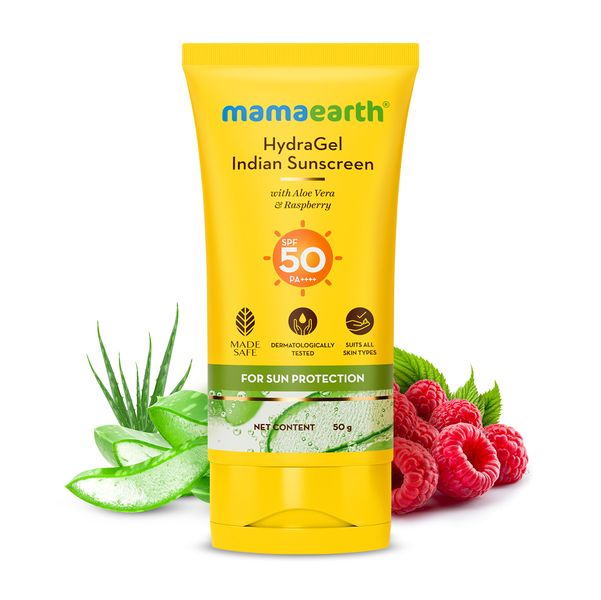
Aloe Vera Sunscreen Face Serum (SPF 50 PA++++): A unique serum-sunscreen hybrid! With the soothing power of Aloe Vera and Ashwagandha, it protects, hydrates, and calms inflammation in one easy, non-greasy step.


❮❯
Building a Safe Sun Care Routine
Total protection requires the right routine. Here is how to layer goodness:
Cleanse: Start with a gentle face wash to clear pores. Avoid harsh soaps that strip your natural oils.
Balance: Swipe on a face toner to restore pH levels.
Nourish: Apply a face serum to hydrate deep layers and follow it with a face cream or moisturizer.
Protect: Apply your Mamaearth sunscreen generously. This is the most crucial step.
Body Care: Don’t forget your arms and legs! Use a body lotion with SPF or apply sunscreen to exposed areas.
Refresh: At the end of the day, use a moisturizing body wash or soap to gently remove sweat and product without drying out your skin.
Conclusion: Don’t Choose, Get Both
So, which is better? The truth is you shouldn’t have to choose. SPF shields you from the burn, and PA++++ shields you from premature aging and sun tanning. For complete health, you need a Broad Spectrum sunscreen that offers high ratings in both categories. With Mamaearth, you get this powerful dual protection wrapped in safe, toxin-free, and natural ingredients. It’s the smartest choice for you and your family.
FAQ:
Can I just use SPF 30 if I am indoors?
Yes, SPF 30 is acceptable for indoors, but the PA rating matters more. Windows block UVB (burning) rays but let in UVA (aging) rays. Ensure your indoor sunscreen has at least PA+++ to protect against long-term skin damage from window light.
What is the difference between PA+++ and PA++++?
The plus signs indicate the level of protection against UVA rays. PA+++ offers ‘High Protection,’ while PA++++ offers ‘Extremely High Protection.’ Given the intense UV index in India, PA++++ is always the safer choice to prevent tanning.
Does sunscreen protect against blue light from my phone?
Standard chemical sunscreens usually don’t. You need a sunscreen that contains antioxidants (like Vitamin C or Turmeric) or physical blockers (like Zinc Oxide) to scatter blue light. Mamaearth’s sunscreens are packed with antioxidants to help fight this ‘digital pollution.’
How often should I reapply if I am wearing makeup?
Reapplication is key. If you are wearing makeup, use a spray sunscreen or a powder SPF to touch up every 3-4 hours without ruining your look. If you are outdoors or sweating, reapply every 2 hours.
Is SPF 50 safe for kids?
Yes! Children have thinner, more delicate skin that is more prone to sun damage. Mamaearth’s mineral-based or kid-safe sunscreens with SPF 50 are excellent for protecting their skin during playtime without exposing them to harmful toxins.
Related Searches
teenage oily skin winter, winter face cream for dry skin, top 10 dry skin winter face cream, winter hand cream for dry skin, combination skin winter care, skincare layering oily skin, top gel moisturizers for oily skin winter, winter face cream for dry skin, which sunscreen is best for dry skin ,sunscreen for teenagers,in vivo tested sunscreen , water resistant vs waterproof sunscreen, difference between UVA and UVB rays , SPF 30 vs SPF 50 which is better , gel vs cream sunscreen for oily skin ,PA+++ vs PA++++ sunscreen difference